Have you noticed that your weekly grocery shopping is becoming more expensive? Are your energy bills, housing costs and everyday expenses putting pressure on your monthly budget?
If so, you are certainly not alone. Inflation can affect everyone, regardless of their income or financial circumstances. As the cost of living increases, many people are becoming concerned about their financial future.
However, with careful planning, smarter spending habits and the right financial strategies, you can become better prepared to face inflation.
What Is Inflation and Why Should You Care?
Inflation is the gradual increase in the prices of goods and services over time. When inflation rises, the purchasing power of your money decreases.
For example, if inflation is 5%, something that costs £100 today could cost £105 in a year’s time if its price rises at that rate.
Although your money may look the same in your bank account, its actual purchasing power can decline over time.
Inflation can affect:
Food and grocery prices
Electricity and gas bills
Rent and mortgage payments
Fuel and transportation costs
Savings and retirement funds
Everyday household expenses
While we cannot control inflation, we can control how we prepare for it.
10 Smart Ways to Prepare for Inflation
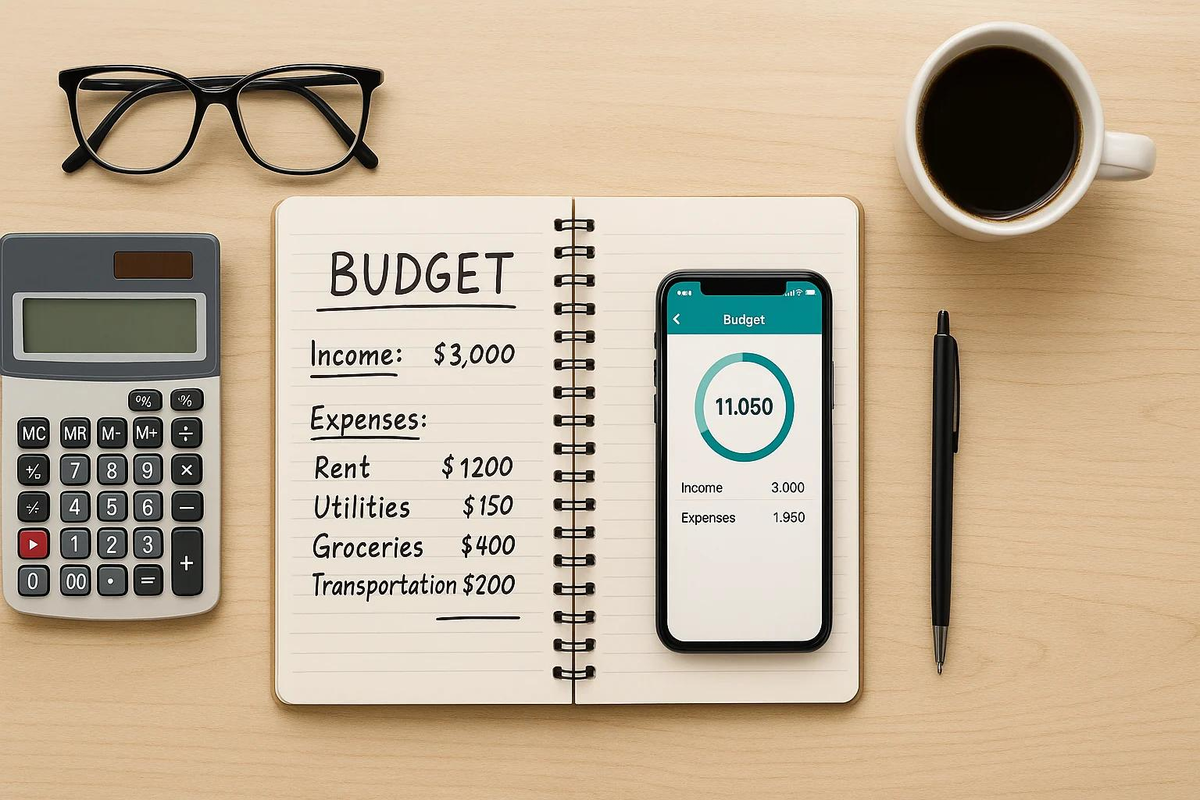
1. Review Your Monthly Budget
The first step towards protecting your finances is understanding where your money goes.
Review your income and expenses, identify unnecessary spending and prioritise essential household costs.
Even small savings made consistently can make a significant difference over time.
2. Build an Emergency Fund
Life is unpredictable, and rising prices can make unexpected expenses even more difficult to manage.
Aim to gradually build an emergency fund covering three to six months of essential living expenses, if your circumstances allow.
Keep this money somewhere secure and easily accessible.
3. Reduce Unnecessary Spending
Take a closer look at your everyday spending habits.
Consider:
Cancelling unused subscriptions
Reducing takeaway meals
Comparing supermarket prices
Buying essential items in bulk when economical
Avoiding impulse purchases
Shopping around for better insurance and utility deals
You don’t have to give up everything you enjoy. The goal is to spend more intentionally.
4. Make Your Savings Work Harder
Keeping all your money in a low-interest savings account may reduce its purchasing power over time.
Explore competitive savings accounts, cash ISAs and fixed-rate savings options.
Compare interest rates, access restrictions and terms before making a decision.
5. Consider Long-Term Investing
Investing may help your money grow over the long term and potentially outpace inflation.
Some options worth researching include:
Stocks and shares
Index funds
Exchange-traded funds (ETFs)
Inflation-linked bonds
Property
Gold and other commodities
However, no investment is guaranteed to beat inflation. Investments can fall in value, so consider your financial goals, time horizon and risk tolerance before investing.
6. Create Additional Sources of Income
Relying entirely on one source of income can leave you financially vulnerable.
Consider developing additional income streams through:
Freelancing
Blogging
Affiliate marketing
Online tutoring
Selling digital products
Starting a small business
Developing new professional skills
Increasing your earning potential can help you manage rising living costs and build greater financial independence.
7. Reduce High-Interest Debt
Credit cards, personal loans and other expensive forms of borrowing can put additional pressure on your finances.
Where possible, prioritise paying off high-interest debt while maintaining essential payments and an appropriate emergency cash buffer.
Reducing debt can free up money for your future financial goals.
8. Shop Smarter and Plan Ahead
Being a smart consumer is one of the simplest ways to manage inflation.
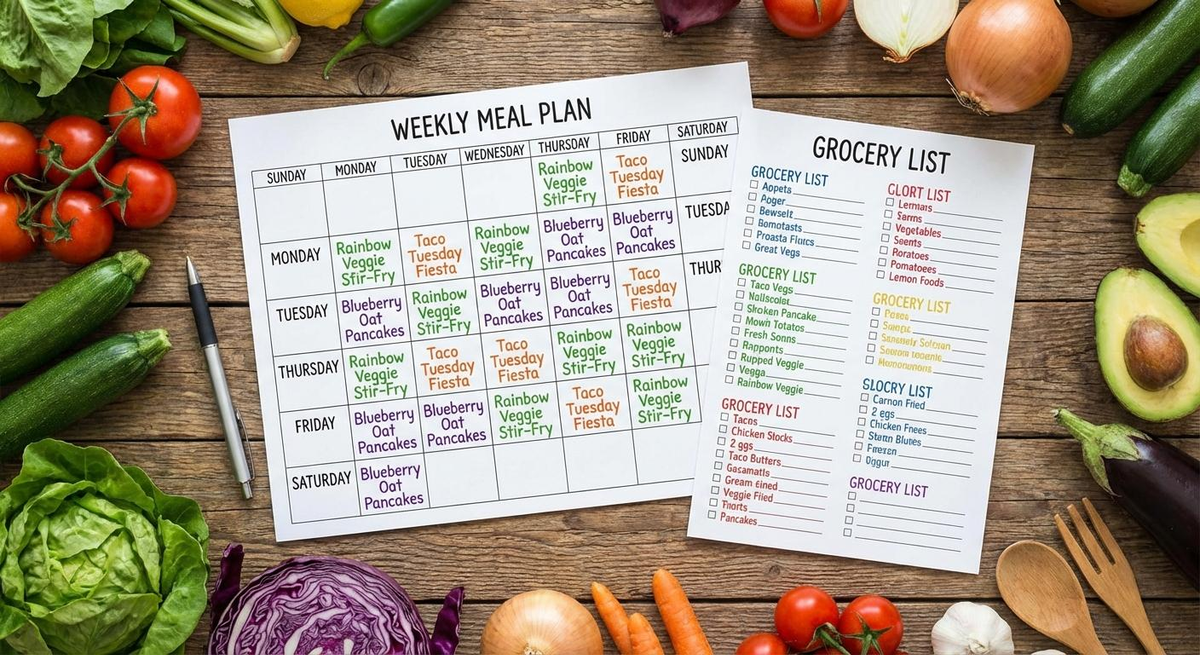
Plan your meals, compare prices, use discounts wisely and avoid buying things simply because they are on sale.
Planning purchases in advance can help you stay within your budget and reduce waste.
9. Invest in Yourself
One of the most valuable investments you can make is in yourself.
Learning new skills, gaining professional qualifications and improving your financial knowledge can help increase your earning potential.
Your knowledge, skills and experience can become powerful tools for building long-term financial security.
10. Think Long Term and Avoid Panic
Inflation is part of the economic cycle. Economic conditions change, and making financial decisions based purely on fear can sometimes do more harm than good.
Focus on building healthy financial habits, diversifying your finances where appropriate and reviewing your financial goals regularly.
Consistency and patience are important ingredients for long-term financial resilience.
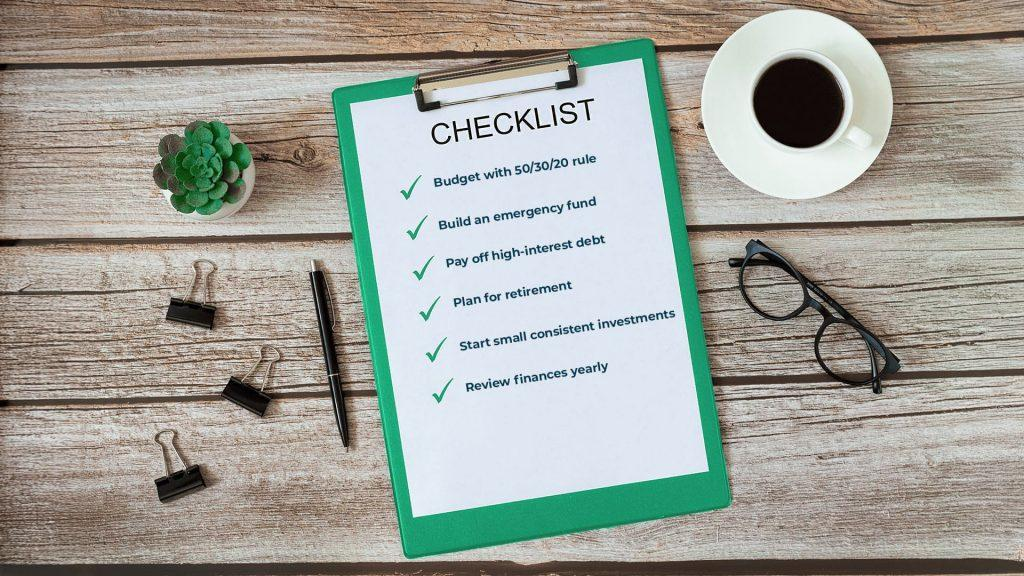
Inflation Preparation Checklist
Review your monthly expenses.
Build an emergency savings fund.
Reduce unnecessary spending.
Compare savings interest rates.
Pay down expensive debt.
Research long-term investment opportunities.
Explore additional income streams.
Improve your financial knowledge.
Review your retirement plans.
Set realistic financial goals.
Final Thoughts
Inflation can be worrying, especially when the cost of living continues to put pressure on household finances. However, worrying alone will not improve your financial situation. Taking practical steps can.
You do not need to be wealthy to start preparing for inflation. Small, consistent financial decisions today can make a meaningful difference tomorrow.
Start with what you can afford, focus on what you can control and gradually build a stronger financial foundation.
The best time to prepare for your financial future is today.
Don’t just work hard for your money — learn how to make your money work for you.
What steps are you taking to protect your finances against inflation? Share your thoughts and experiences in the comments below. If you found this article helpful, share it with your friends and family.
Disclaimer: This article is for educational and informational purposes only and does not constitute personalised financial advice. I’m not a financial advisor. Always conduct your own research and seek qualified professional advice where necessary.