
Buying a home is one of the biggest financial commitments you will make in your lifetime. Whether you are a first-time buyer, moving to a new property or remortgaging your existing home, choosing the right mortgage rate can make a significant difference to your monthly payments and long-term financial health.
With so many lenders, mortgage products and interest rate options available, finding the best mortgage deal can feel overwhelming.
However, choosing the cheapest advertised interest rate does not necessarily mean choosing the best mortgage.
In this guide, we explain how to compare mortgage rates, understand mortgage fees and choose a mortgage that suits your financial circumstances.
1. Understand the Different Types of Mortgage Rates
Before comparing mortgage deals, it is important to understand the main types of mortgages available in the UK.
Fixed-rate mortgage
A fixed-rate mortgage allows you to lock in an interest rate for an agreed period, usually two, three or five years.
The main advantage is predictable monthly repayments during the fixed period. Even if market interest rates increase, your mortgage rate remains unchanged.
This option is particularly attractive to borrowers who value financial stability and want to plan their household budgets.
Variable-rate mortgage
A variable-rate mortgage has an interest rate that can change over time. Your monthly repayments may increase or decrease depending on the lender’s rate changes.
Tracker mortgage
A tracker mortgage follows the Bank of England base rate, usually with an additional percentage added by the lender.
For example, if a mortgage tracks the base rate plus 1%, your mortgage interest rate will move in line with changes to the base rate.
Tracker mortgages may benefit borrowers when interest rates fall, but repayments can increase when rates rise.
2. Compare More Than Just the Advertised Interest Rate

One of the biggest mistakes borrowers make is choosing a mortgage simply because it has the lowest advertised interest rate.
A mortgage with a lower interest rate may come with a substantial arrangement fee, valuation fee or other charges.
For example, consider these two hypothetical mortgage products:
| Mortgage feature | Deal A | Deal B |
|---|---|---|
| Interest rate | 4.50% | 4.65% |
| Arrangement fee | £1,999 | £0 |
Although Deal A has a lower interest rate, its higher arrangement fee could make Deal B more cost-effective.
Always compare the total cost of the mortgage, including interest and fees, over the period you expect to keep the deal.
3. Understand Your Loan-to-Value (LTV) Ratio
Your Loan-to-Value ratio, commonly known as LTV, is one of the most important factors influencing the mortgage rate a lender may offer you.
It represents the percentage of the property’s value that you need to borrow.
For example:
- Property value: £300,000
- Deposit: £60,000
- Mortgage required: £240,000
- LTV: 80%
Generally, borrowers with larger deposits and lower LTV ratios have access to more competitive mortgage rates.
If possible, increasing your deposit or reducing your outstanding mortgage balance before remortgaging could help you qualify for a better deal.
4. Check Your Credit Score Before Applying
Your credit history can influence whether a lender approves your mortgage application and which mortgage products are available to you.
Before applying, consider checking your credit reports with agencies such as Experian, Equifax and TransUnion.
Look out for:
- Missed or late payments.
- Outstanding debts.
- Incorrect personal information.
- Financial associations with other individuals.
- High credit utilisation.
Correcting errors and maintaining a healthy credit history can improve your mortgage application prospects.
5. Decide Between a Two-Year and Five-Year Fixed Mortgage
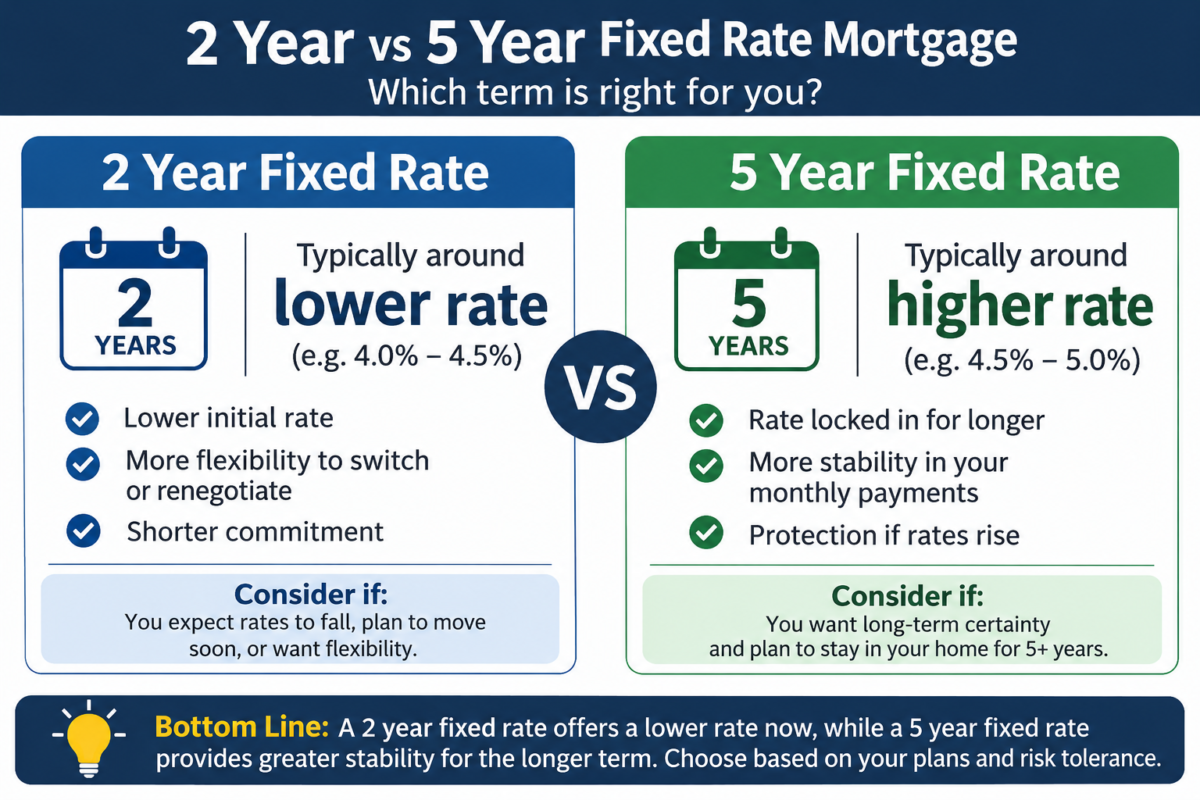
Choosing the length of your fixed-rate mortgage is another important decision.
Two-year fixed mortgage
This may suit borrowers who expect to move house, remortgage or review their financial circumstances within a relatively short period.
However, you will need to review your mortgage sooner, and the rates available at that time may be higher.
Five-year fixed mortgage
This provides longer-term repayment certainty and protects you from interest rate increases during the fixed period.
However, early repayment charges may apply if you want to leave the mortgage before the fixed term ends.
Consider how long you expect to stay in the property and whether you might need flexibility before choosing.
6. Look Carefully at Mortgage Fees and Additional Charges
Mortgage fees can significantly affect the overall cost of borrowing.
Some common charges include:
- Arrangement or product fees.
- Booking fees.
- Valuation fees.
- Legal fees.
- Mortgage broker fees.
- Early repayment charges.
Some lenders offer fee-free mortgage products, while others charge substantial arrangement fees in exchange for lower interest rates.
Remember that adding mortgage fees to your loan means you will also pay interest on those fees.
7. Compare Mortgage Deals from Different Lenders

Do not automatically assume that your existing bank will offer you the best mortgage rate.
Different lenders have different lending criteria, affordability assessments and mortgage products.
Consider comparing offers from:
- High-street banks.
- Building societies.
- Specialist mortgage lenders.
- Whole-of-market mortgage brokers.
- Online mortgage comparison websites.
A whole-of-market mortgage broker can help identify suitable products from a wide range of lenders and explain which deals match your financial circumstances.
Always check whether the broker is authorised and regulated by the Financial Conduct Authority (FCA).
8. Understand APRC and the True Cost of Borrowing
APRC stands for Annual Percentage Rate of Charge.
It represents the annual cost of a mortgage over its full term, taking account of interest and relevant fees and charges.
Although APRC is useful when comparing mortgage products, it should not be the only figure you consider.
For example, if you choose a two-year fixed mortgage and intend to remortgage after two years, you should pay particular attention to the initial interest rate, product fees and total cost during those two years.
Compare the mortgage illustration documents to understand the costs and conditions of each deal.
9. Check Early Repayment Charges and Mortgage Flexibility
Your financial circumstances may change during the mortgage term.
You might decide to move house, repay part of your mortgage early or switch to another lender.
Before committing, check:
- Whether early repayment charges apply.
- Whether overpayments are permitted.
- Whether the mortgage is portable.
- Whether you can make lump-sum repayments.
- Whether there are restrictions on switching lenders.
A mortgage with slightly higher interest may sometimes be more suitable if it offers greater flexibility.
10. Consider Your Long-Term Financial Affordability
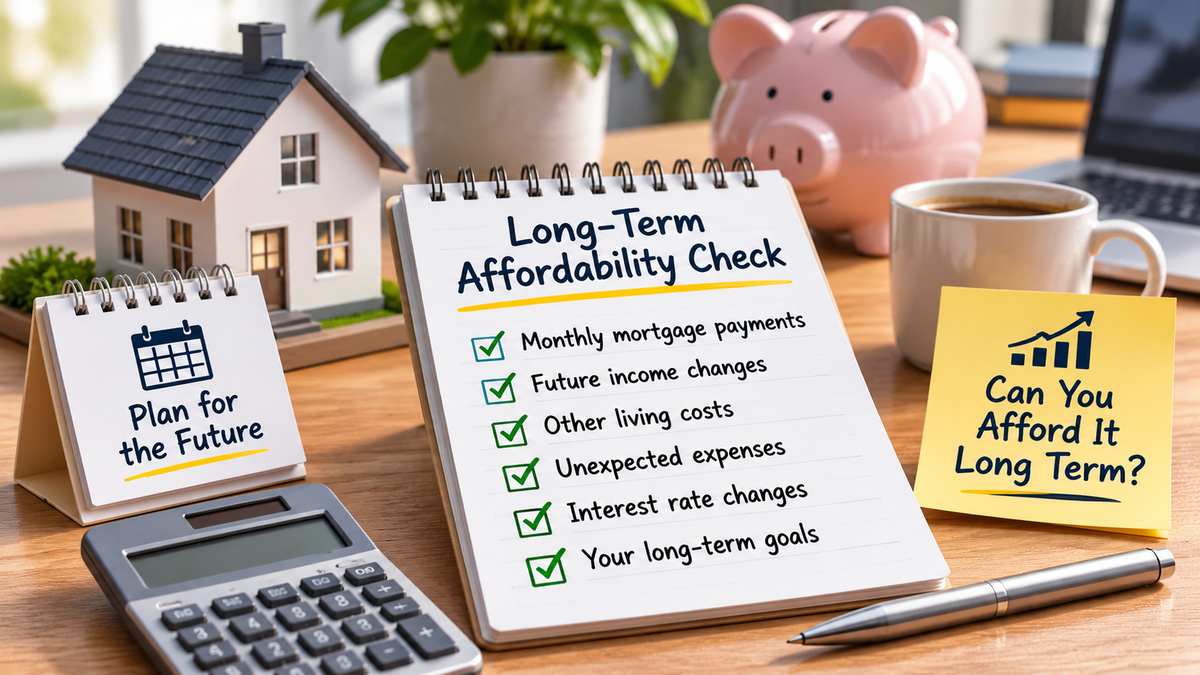
A mortgage should fit comfortably within your household budget.
Do not choose a mortgage based solely on the maximum amount a lender is willing to offer.
Consider your other financial commitments, including:
- Household bills.
- Council tax.
- Insurance.
- Childcare and education expenses.
- Existing loans and credit cards.
- Savings and emergency funds.
- Home maintenance costs.
It is also sensible to consider whether you could afford your repayments if interest rates increased after your fixed-rate period ended.
11. When Should You Speak to a Mortgage Adviser?
A qualified mortgage adviser can help you understand the available options and identify products that match your circumstances.
This can be particularly helpful if:
- You are self-employed.
- You have a complicated income structure.
- You have a relatively small deposit.
- You are purchasing an expensive property.
- You are remortgaging.
- You have experienced credit difficulties.
Ask whether the adviser searches the whole market, what fees they charge and how they are paid.
Final Thoughts: The Best Mortgage Is Not Always the Cheapest
Choosing the best mortgage rate requires more than simply finding the lowest advertised percentage.
The right mortgage should balance competitive interest rates, affordable repayments, reasonable fees and flexibility.
Before making a decision, compare several lenders, calculate the total cost of borrowing, review your financial circumstances and seek professional advice where necessary.
Remember: The best mortgage is not necessarily the one with the lowest interest rate. It is the one that offers the best overall value and financial security for your circumstances.
Useful Mortgage Resources
These external resources can help readers research mortgage products and understand their options.
- MoneyHelper – Mortgage guidance nofollow
- Financial Conduct Authority – FCA nofollow
- MoneySavingExpert – Mortgage guides nofollow
- Moneyfacts – Mortgage comparisons nofollow
- Which? – Mortgage advice nofollow
Disclaimer: This article is for general information and educational purposes only. Mortgage rates and lending criteria change regularly. Consider seeking advice from an FCA-authorised mortgage adviser before making a financial commitment.